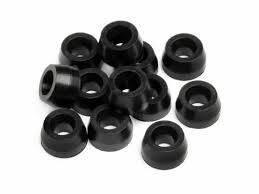
Gaskets are mechanical seals used to fill the space between two or more mating surfaces, typically to prevent leakage or to maintain pressure. They come in various shapes, sizes, and materials, depending on the application.
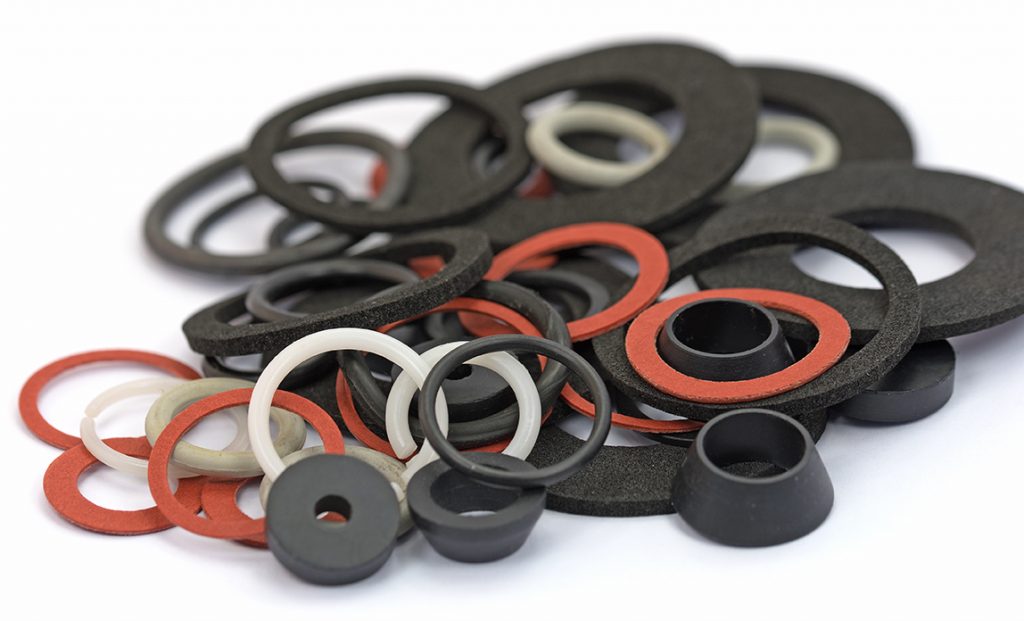
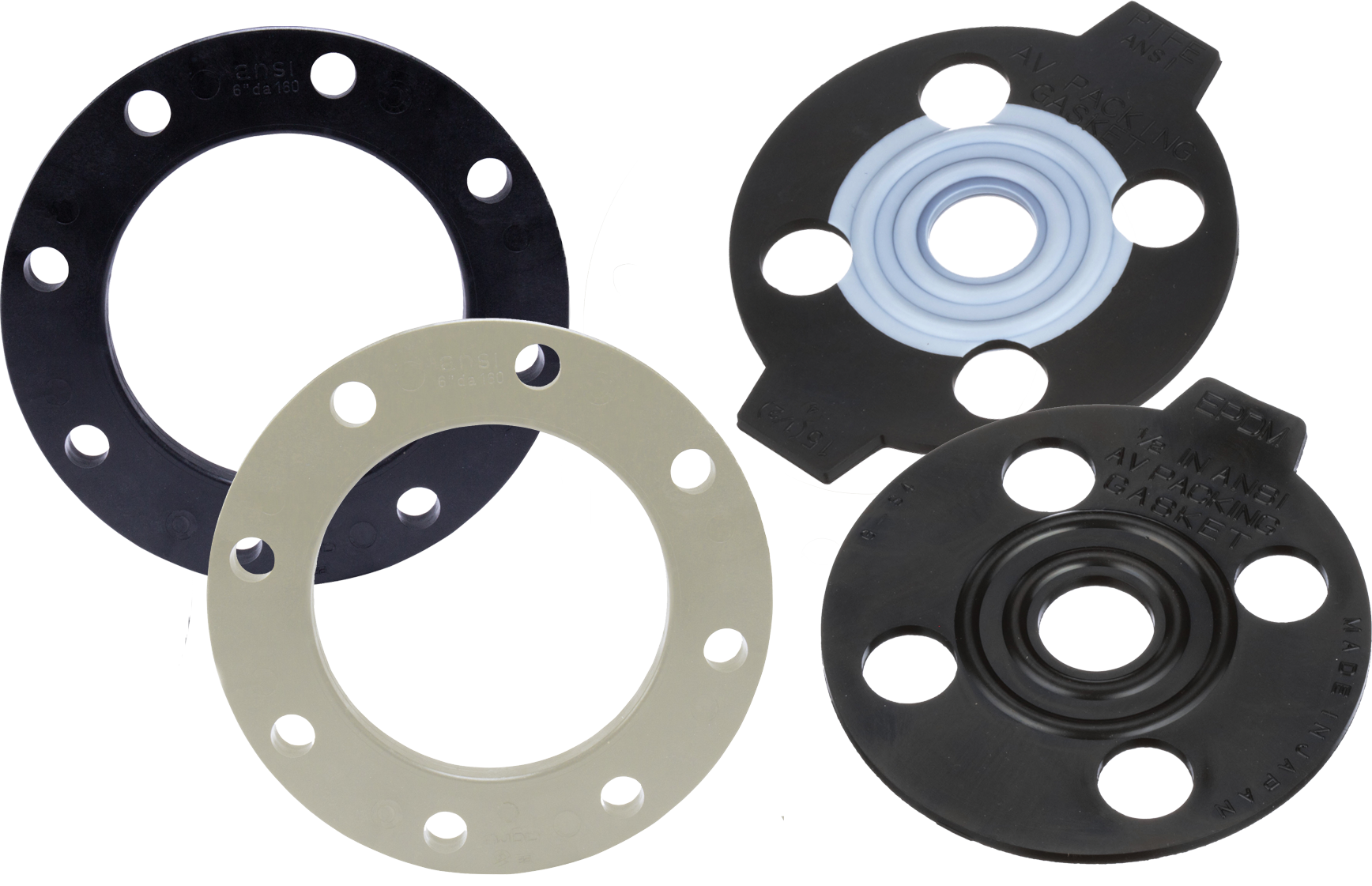
Types of Gaskets 1. Rubber gaskets: Made from rubber or elastomeric materials, these gaskets are flexible and resistant to chemicals. 2. Metal gaskets: Made from metals like copper, aluminum, or stainless steel, these gaskets are durable and resistant to high temperatures. 3. Spiral wound gaskets: These gaskets are made from a spiral wound metal strip with a filler material. 4. Sheet gaskets: Made from sheet materials like rubber, cork, or paper, these gaskets are cut to fit specific applications.
Applications 1. Piping and tubing: Gaskets are used to seal connections between pipes and tubes. 2. Machinery and equipment: Gaskets are used in various machines and equipment to prevent leaks and maintain pressure. 3. Industrial settings: Gaskets are commonly used in industrial settings, such as manufacturing, processing, and construction.
Benefits 1. Leak prevention: Gaskets help prevent leaks and maintain pressure in systems. 2. Vibration reduction: Gaskets can help reduce vibration and noise in machinery. 3. Easy installation: Gaskets are relatively easy to install and can be cut to fit specific applications.
Materials 1. Rubber: Natural or synthetic rubber gaskets are flexible and resistant to chemicals. 2. Metal: Metal gaskets are durable and resistant to high temperatures. 3. Cork: Cork gaskets are used in applications where a soft, compressible seal is required. 4. PTFE (Teflon): PTFE gaskets are resistant to chemicals and high temperatures.
Gaskets play a crucial role in maintaining the integrity of systems and preventing leaks. They come in various materials and types, each suited to specific applications and requirements.